
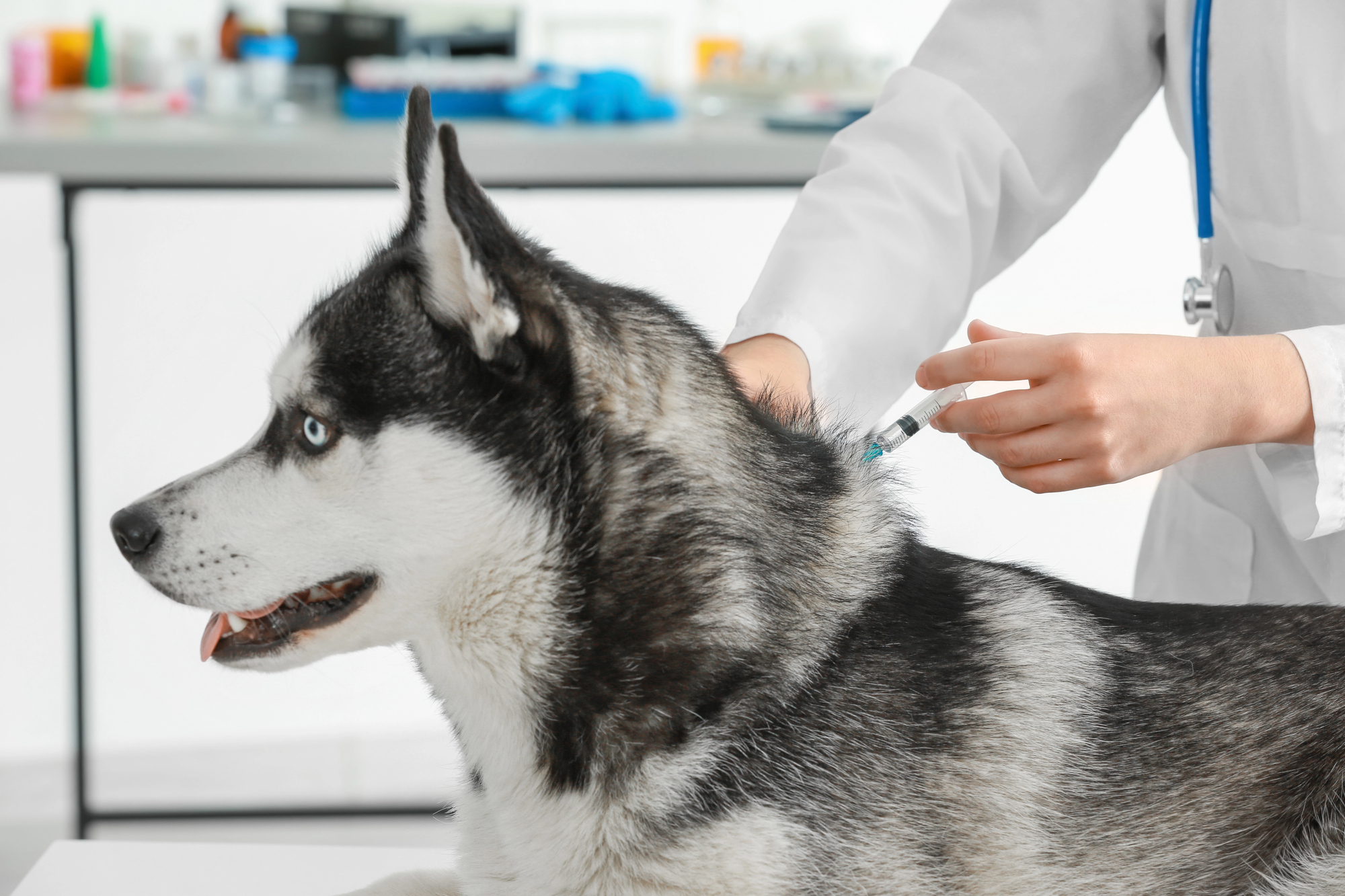
Pet vaccinations are an essential part of maintaining the health of dogs and cats. They’re the best defense against a variety of dangerous, contagious diseases.
However, a 2024 study by the American Veterinary Medical Association found that approximately 21.7% of dog owners and 25.9% of cat owners consider themselves “vaccine hesitant.” They may think it’s unsafe or not medically necessary. Exposing these myths helps show why vaccines are so important.
Importance of Pet Vaccines
Pet vaccinations stop the spread of preventable yet dangerous and contagious diseases. They train the immune system to recognize and fight them.
The importance of pet vaccines also applies to your family and the community. Conditions like rabies can be transferred from animals to people.
They’re even a cost-effective form of treatment. According to data from the 2025 AVMA Pet Ownership and Demographics Sourcebook, veterinary care accounted for around 32.4% of pet owners’ expenses. Dog owners spend an average of $598 per year. Cat owners spend around $529.
Vaccines are small and inexpensive. They’re more affordable than the intensive process of treating the illnesses that vaccinations are meant to prevent.
What Vaccines Are Absolutely Necessary In Texas?
Core vaccines are the ones that are absolutely necessary. They’re important for keeping your pet and community safe and healthy.
Core Vaccines for Dogs
According to the CDC, around 4,000 rabies cases are reported each year. Almost 90% occur in wildlife such as skunks or bats. There’s been a major drop in cases in domestic animals thanks to the development of rabies vaccines.
It’s more than a way to prevent your dog from getting a dangerous and highly contagious disease. It’s required by law.
Distemper is an important vaccine because it can affect almost every part of your dog’s body. This includes the respiratory, digestive, and nervous systems.
Parvovirus is a highly contagious and dangerous disease. It’s common in puppies, making it one of the most important items on any puppy vaccination checklist.
There are also other core vaccines for dogs. Make sure to get one for adenovirus or canine hepatitis, a disease that can kill organs. You’ll also need leptospirosis, a flu-like bacterial illness.
Core Vaccines for Cats
Rabies vaccines are also required for cats. They can catch and carry it.
Feline distemper is also a core vaccine. Also known as feline panleukopenia, it’s contagious in both humans and animals. It also has potentially deadly gastrointestinal and neurological symptoms.
Feline calcivirus and herpesvirus are two similar conditions. They both affect the upper respiratory system.
Non-Core Vaccines for Cats and Dogs
Non-core vaccines aren’t required but are recommended by vets. They help prevent common, contagious diseases.
Recommendations for cats may include:
- FIV for feline immunodeficiency virus
- FeLV for feline leukemia
There are also several non-core vaccines for dogs.Most focus on communicable diseases from being in dog crowds. They may include:
- Bortedella or kennel cough
- Canine influenza
- Parainfluenza
- Lyme disease
These non-core vaccines can also be combined with core ones and worked into a vaccination schedule.
How to Follow a Vaccination Schedule
Most pet vaccinations begin when they’re six to eight weeks old. It depends on factors such as the animal’s:
- Lifestyle
- Age
- Health
A dog vaccination schedule begins when they’re puppies with a DHPP vaccination. It includes protection against diseases such as:
- Distemper
- Hepatitis
- Parvo
- Parainfluenza
They’ll get boosters for those vaccinations and a rabies shot at around 12-16 weeks old. This is also the time to get their first round of any non-core vaccines.
A cat vaccination schedule is similar. Kittens get FVCRCP at six to eight weeks of age. The conditions it protects against include:
- Feline viral rhinotracheitis
- Calcivirus
- Panleukkopenia
Boosters and a rabies vaccine also follow at around 12-16 weeks.
Adult dogs and cats also get booster shots. Most core vaccines should get boosted every one to three years.
What Should I Expect During Vaccination?
Most vaccines are delivered via a shot, but they don’t have to be. They can be delivered orally or intranasally.
The process starts with an initial health check. It tells the vet that your pet is healthy enough to get the vaccines.
After they’re delivered, your vet will help develop a custom vaccine plan and schedule.
What Should I Expect After Vaccination?
Most pets shouldn’t feel different after getting vaccinated. They may be sleepy or have minor soreness.
There is a small risk they could experience a reaction, but this only happens in an exceptionally small number of cases. Call your vet if you notice troubling symptoms, such as:
- Swelling
- Hives
- Persistent vomiting or diarrhea
- Difficulty breathing
Frequently Asked Questions
Do Indoor Cats Really Need Vaccines?
Yes, they do. Remembering to vaccinate indoor catsis one of the most important cat vaccination guidelines.
They need medical and legal protection from rabies. They can also still get conditions like feline distemper. The viruses that cause them can enter the house through clothes or windows.
What Age is Too Late to Vaccinate a Pet?
There is no maximum age. Seniors can still benefit from pet vaccinations. Contact your vet to set up a vaccination schedule.
If your cat or dog has never been vaccinated, they’ll probably get an initial set with boosters in three to four weeks. If they’re missing annual boosters, they may only need one instead of starting the whole booster series over.
What If My Pet Misses a 4-in-1 Booster?
Start searching for “veterinary clinics nearby” to find the best one to update your pet. The amount of time that’s passed since their last booster helps your vet decide if they need a whole new series of boosters or just one. They can also help you set up a vaccination timeline.
Get Pet Vaccinations Today
Pet vaccinations keep your pet safe from dangerous and contagious diseases. They also protect the community and help you save money on expensive treatments.
Fry Road Animal Clinic brings years of experience. We’re a full-service location with a fully-stocked pharmacy that can handle everything from routine vaccinations to emergency visits.
We use advanced technology, such as digital radiography and in-house labs, for accurate care. We also take the time to listen to your concerns and create the best care plan for your pet. Contact us to schedule an appointment today.