
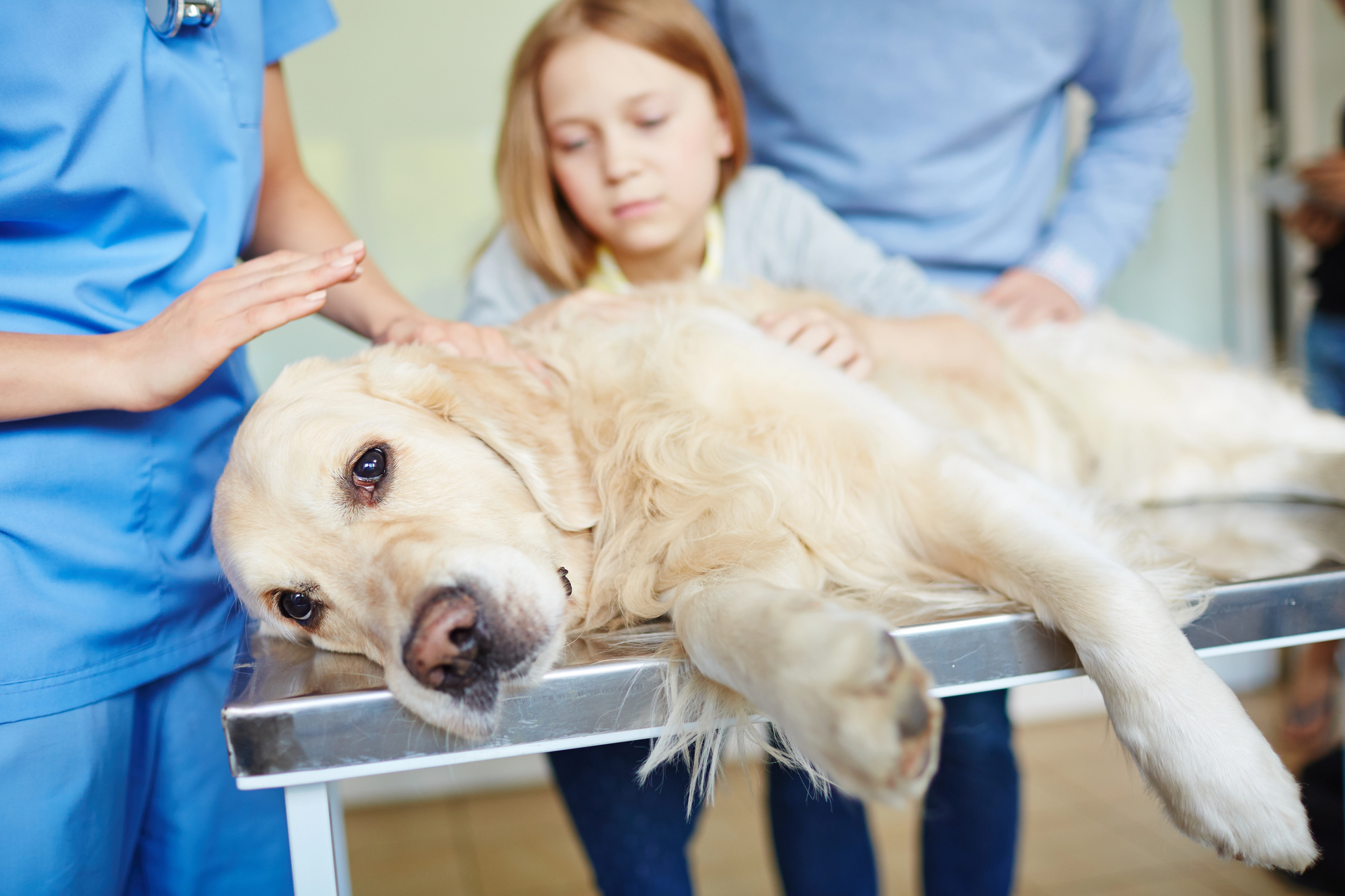
Early pain management for pets is important since it leads to better recovery. There are often subtle signs and no crying, so be on the lookout for symptoms like behavioral changes. Having a home environment that supports pain relief is useful, too.
Back in 2022, the North American Veterinary Community (NAVC) reported that 45 million pets suffer from pain. There have been advances in techniques and technologies since then, which have provided pain relief for a significant number of animals. But the reality is that pain will always be something in our lives, so pet owners must be vigilant.
You might think that whining is the first sign of serious distress, but there are actually silent signs of pain management for pets.
Do Animals Cry When They Are in Pain?
Animals experience pain, but they don’t usually cry in the same way humans do. For example, dogs may whimper, yelp, whine, or vocalize when injured, but many other animals instinctively hide signs of pain as a survival mechanism, especially if they’re prey animals. Those who have cats may know that these pets mask discomfort and become withdrawn or unusually quiet instead of crying.
In addition, some pets may have watery eyes due to:
- Irritation
- Allergies
- Eye conditions
In general, tears are not an emotional response to pain. Instead, you should watch for other changes in behavior rather than crying.
What Are Subtle Signs a Dog Is in Pain?
It can be difficult to tell if your beloved companion is in pain, but there are dog body language clues to look for. These are the subtle pet distress signs you should know about:
- Moving more slowly than usual
- Hesitating to climb stairs or jump onto furniture
- Stiffness after resting
- Sleeping more
- Showing less interest in walks or playtime
- Changes in appetite
- Excessive licking or chewing of one area
- Unusual panting
- Trembling
- Reluctance to be touched
There may also be behavioral changes, such as irritability, withdrawal, increased clinginess, or avoiding interaction with family members. If you take a closer look, your pup may also have flattened ears, squinted eyes, or a tense mouth.
If these signs stick around for more than a day, or they worsen, schedule a veterinary examination promptly. This ensures that the underlying cause can be pinpointed and treated before it becomes worse.
Why Early Pain Management Leads to Better Recovery
Treating your pet early is more than just making them comfortable; it can also improve healing and reduce the risk of long-term complications. When animals experience ongoing pain, they often:
- Avoid using an injured limb
- Refuse to eat
- Become less active
These things can slow recovery and also contribute to muscle loss or joint stiffness. Chronic pain can affect the nervous system, too, and this can make pets more sensitive to discomfort over time.
Why Waiting for Whining Can Delay Treatment
Many pet owners assume that their dog or cat will cry out or whine when something’s seriously wrong, but this is a common misconception. In reality, many animals instinctively suppress obvious signs of pain since displaying weakness could make them vulnerable in the wild.
By the time your pet’s whining, the discomfort may be significant, or the underlying condition may be bad. So instead of waiting for vocalizations, you should monitor your pet for gradual changes in their mobility, energy levels, daily habits, and overall demeanor. Recognizing these indicators can lead to earlier diagnosis and treatment.
A vet can come up with a comprehensive pain management plan, which can include:
- Medication
- Activity modification
- Rehabilitation exercises
- Weight management
- Environmental adjustments
Build a Home Environment That Supports Pain Relief
Vet treatment is the foundation of pain management, but there are things you can do at home to significantly improve your companion’s comfort.
Our suggestions are to:
- Provide supportive orthopedic bedding
- Place food and water within easy reach
- Use non-slip rugs on smooth floors
- Add ramps or pet stairs
In addition, maintaining a healthy body weight is equally important. Excess weight can place additional stress on bones and joints, and this can worsen chronic pain. You should also keep a consistent daily routine to minimize unnecessary stress.
Frequently Asked Questions (FAQs)
What Do Vets Use for Pain Relief?
Vets use a variety of pain relief options, as it’ll depend on the type, severity, and cause of your pet’s discomfort. Common medications used include:
- Prescription nonsteroidal anti-inflammatory drugs (NSAIDs) designed specifically for animals
- Opioid medications
- Nerve pain medications (e.g., gabapentin)
- Local anesthetics
- Injectable pain medications
- Long-acting pain relief injections
Vets may also recommend complementary therapies, such as:
- Physical rehabilitation
- Laser therapy
- Acupuncture
- Weight management
- Joint supplements
What Can I Give My Pet for Pain Relief?
You should never give your pet human pain medications without first consulting your vet. Common over-the-counter drugs like ibuprofen and aspirin can be toxic or life-threatening to cats and dogs, even in small amounts.
If you suspect that your pet is in pain, the safest approach is to contact your vet. They can diagnose the underlying cause and prescribe an appropriate treatment.
Keeping your pet comfortable with a quiet resting area and minimizing unnecessary movement may help temporarily.
Should I Ignore My Dog When It Whines?
No, you shouldn’t ignore your dog if it whines. Whining is a form of communication, and it can indicate:
- Pain
- Illness
- Anxiety
- Fear
- Excitement
- A need to go outside
Look for other clues too, such as limping, decreased appetite, lethargy, vomiting, or any other changes in behavior. These, combined with whining, mean that you need to have your dog evaluated by a vet ASAP.
Once any medical issues have been ruled out, you can address behavioral whining through consistent training and positive reinforcement rather than rewarding excessive vocalization.
Pain Management for Pets Is Important
Now that you know that animals can hide signs of pain for a while, it’s important to get pain management for pets promptly. With quick intervention, you can ensure that your furry friend stays happy, healthy, and as pain-free as possible.
Get in touch with us now if you need a trusted vet for your pet. We at Fry Road Animal Clinic have an in-clinic laboratory and radiology to give our clients same-day results.